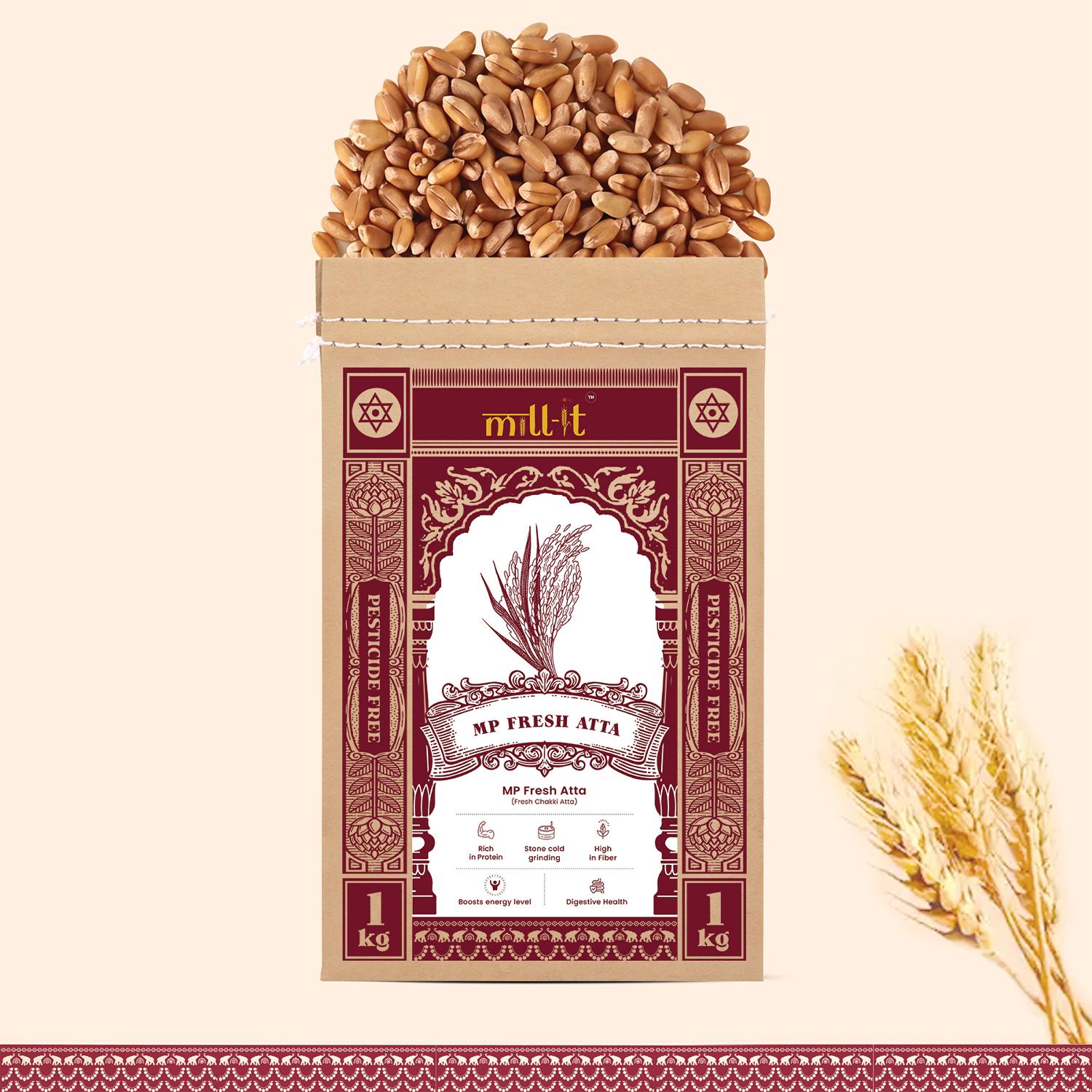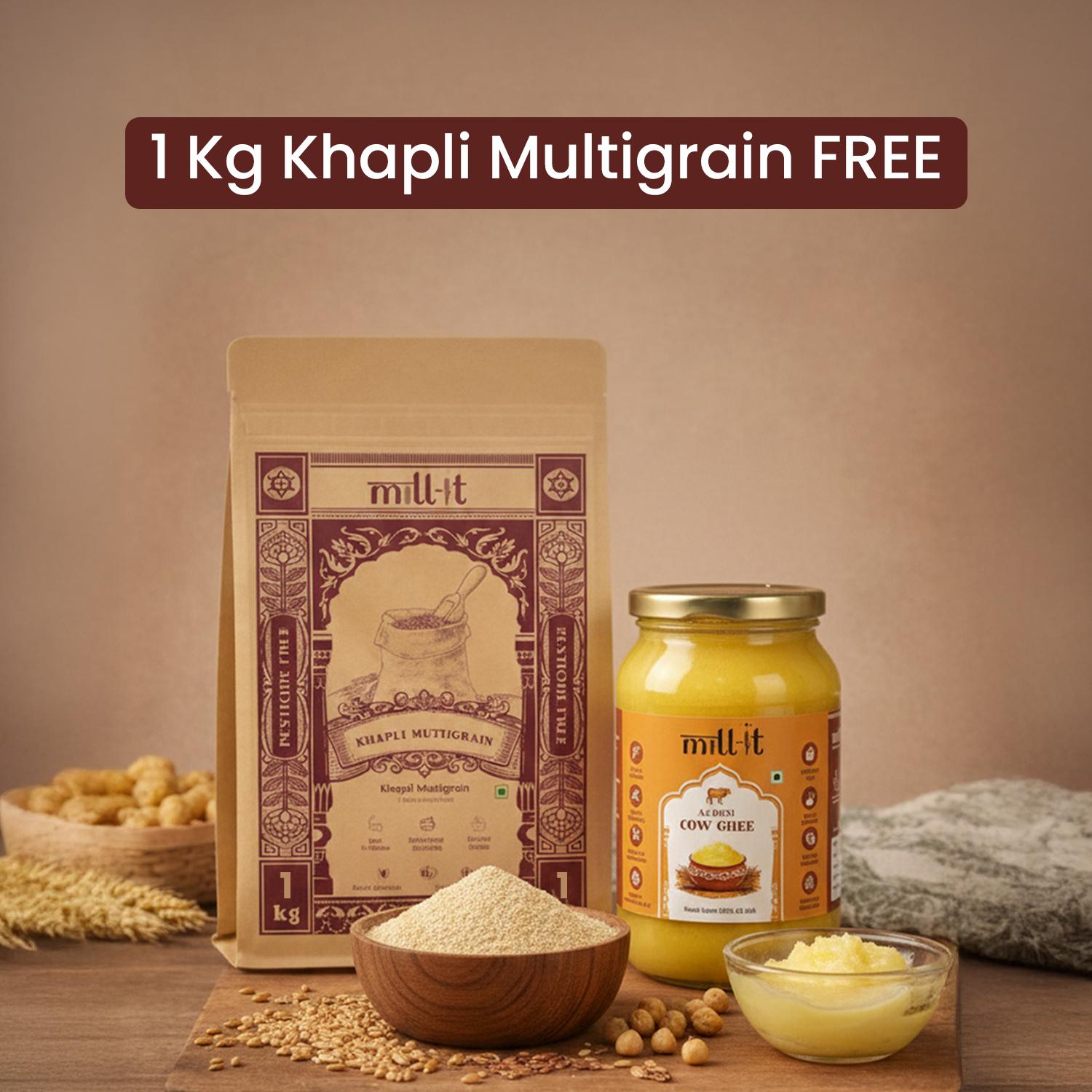


Khapli Wheat Atta (Triticum dicoccum)
Khapli wheat (Triticum dicoccum), an ancient hulled wheat variety, has emerged as a nutritionally superior alternative to modern wheat cultivars, with robust scientific evidence supporting its health benefits. Originating in the Fertile Crescent over 10,000 years ago, this diploid species retains its genetic integrity, offering higher protein (12–14.4%), dietary fiber (10g/100g), and essential minerals compared to common wheat.
Khapli wheat's domestication traces to the Pre-Pottery Neolithic B period (8500–7600 BCE), with carbonized grains found at archaeological sites across Mesopotamia and the Indian subcontinent. Unlike modern hexaploid wheat (Triticum aestivum), khapli wheat's tetraploid genome (AABB, 2n=28) has remained genetically stable, preserving adaptive traits like drought resistance and pest tolerance. This genetic conservation explains its continued cultivation in semi-arid regions of Maharashtra and Karnataka, where yields reach 45–47.8 quintals/hectare under organic conditions.
Types of Khapli Wheat Atta in Mill-it
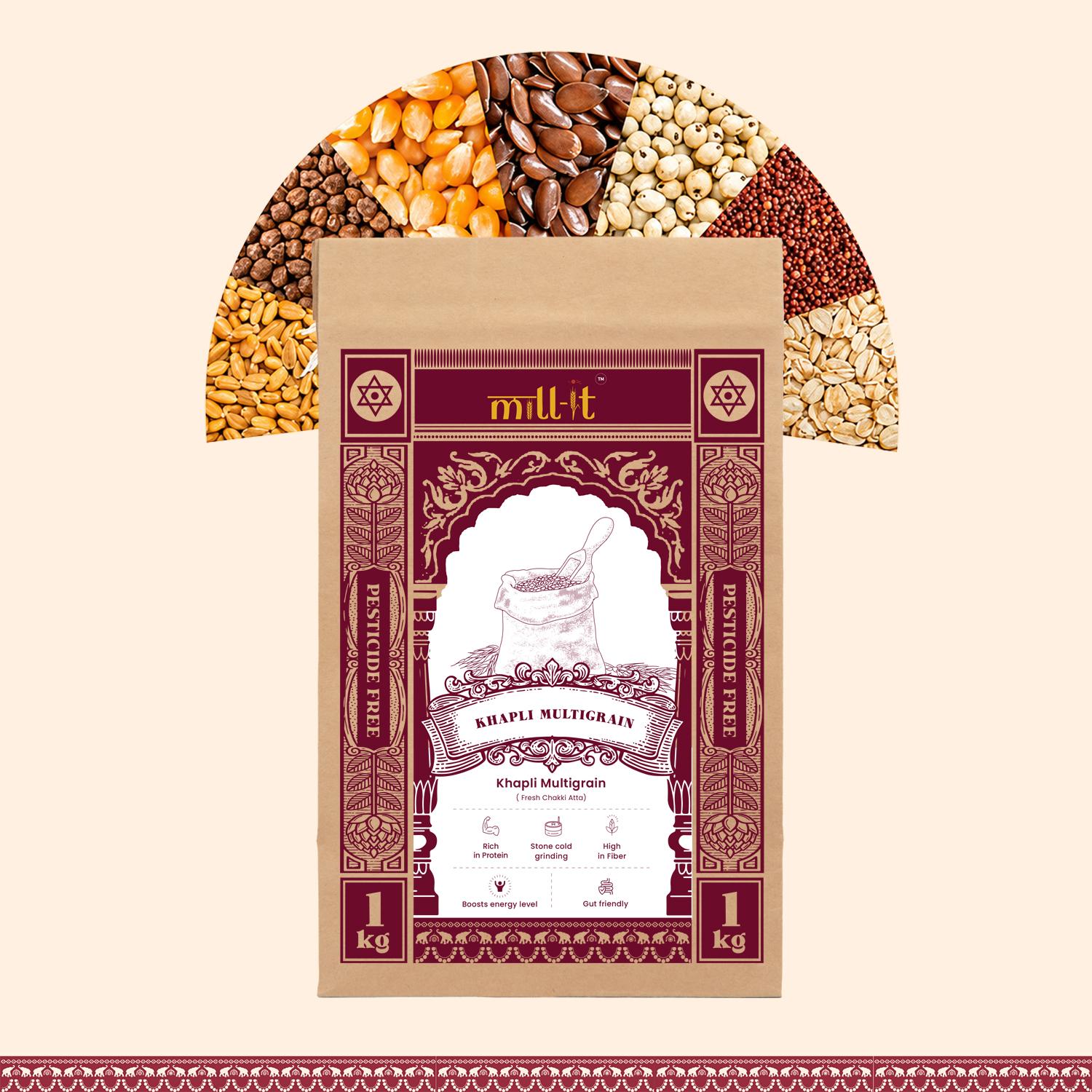
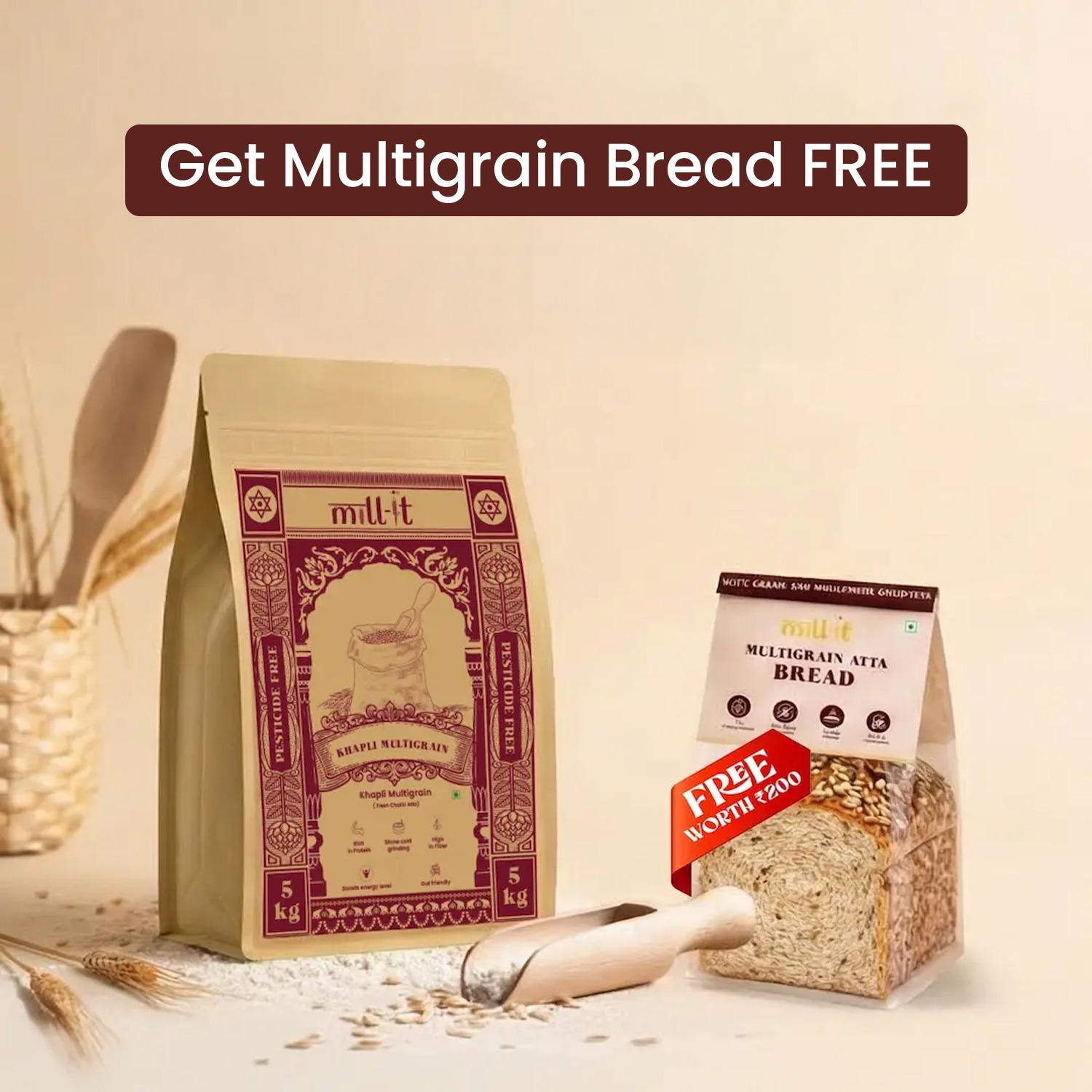
Khapli Multigrain
Mill-it's Khapli Multigrain Atta combines ancient grain wisdom with a Khapli wheat base enriched with six functional grains:
- Khapli Wheat: Provides high protein and 10g/100g fiber, with proven hypoglycemic effects in diabetic patients.
- Besan: Chickpea flour adds 20–22% protein and 10–12g/100g fiber, enhancing satiety through delayed gastric emptying.
- Makki: Maize flour contributes antioxidants, zeaxanthin for ocular health, and resistant starch for colonic fermentation.
- Jowar: Sorghum offers 11g/100g fiber and tannins that inhibit α-amylase, reducing postprandial glucose spikes.
- Ragi: Finger millet provides 344mg/100g calcium and 19g/100g dietary fiber, improving bone mineral density in osteoporosis patients.
- Flaxseed: Delivers α-linolenic acid (ALA) and lignans, reducing inflammatory markers.
Sugarshield Atta (Diabetic Friendly)
Engineered for diabetics, Sugarshield Atta combines Khapli wheat with eight functional ingredients (Chickpeas, Barley, Flaxseed, Sorghum, Oats, Maize, Mung bean, Fenugreek) to achieve:
- Glycemic Index: 27.35 (vs. 74.8 in refined wheat)
- Glycemic Load: 12.55 per 100gm
Nutritional Composition
Comparative analysis of 100g flour reveals:
| Nutrient | Khapli Wheat | Sharbati Wheat | Sugarshield Flour | Khapli Multigrain |
|---|---|---|---|---|
| Protein (g) | 12–14.4 | 10–11.8 | 15.63 | 11.61 |
| Dietary Fiber (g) | 11.3 | 9 | 12.46 | 10.01 |
| Glycemic Index | 38 | 45 | 27.35 | – |
Why Choose Khapli Wheat Atta?
- Lower Gluten Content: Khapli wheat contains significantly less gluten than modern wheat varieties, making it more suitable for individuals with mild gluten sensitivities, though it is not recommended for those with celiac disease.
- Superior Digestibility: The lower gluten content and higher fiber composition promote better digestive health and gut function, reducing the likelihood of digestive discomfort.
- Enhanced Nutritional Density: With higher protein, fiber, and essential mineral content, khapli wheat provides more nutrition per serving compared to regular wheat.
- Low Glycemic Index: Khapli wheat releases sugar into the bloodstream more slowly than refined wheat, helping to manage blood sugar levels and supporting diabetes management.
- Rich in Antioxidants: The grain contains higher levels of antioxidants, including β-carotene, which support immune function and cellular health.
- Ancient Grain Authenticity: As an unmodified ancient variety, khapli wheat retains its original genetic structure and nutritional profile that has sustained populations for millennia.
- Sustainable Agriculture: Khapli wheat thrives in organic farming systems and requires fewer inputs than modern wheat varieties, supporting environmentally responsible agriculture.
- Distinctive Flavor Profile: The grain offers a unique nutty flavor and coarser texture that enhances the taste of traditional foods like rotis, dosas, and porridge.
Why Choose Mill-it for Your Khapli Wheat Atta?
Mill-it represents a commitment to providing fresh, high-quality chakki atta that preserves the nutritional integrity and authentic taste of traditional grains. At Mill-it, the focus on fresh grinding ensures that the natural oils and nutrients in khapli wheat are maintained, delivering maximum health benefits to consumers. Specialized processing methods honor the traditional chakki grinding technique while meeting modern food safety and quality standards. Premium khapli wheat sourced from trusted farming communities ensures consistency in quality and supports sustainable agricultural practices. Transparency in sourcing and processing provides consumers with confidence in the authenticity and purity of the khapli wheat atta, while convenient online access makes Mill-it an ideal choice for health-conscious families.
Conclusion
Khapli wheat's nutritional superiority, evidenced by higher protein, higher fiber, and elevated β-carotene compared to modern wheat, positions it as a strategic crop for addressing global malnutrition. Clinical data confirm its therapeutic efficacy in diabetes management through significant improvements in glycemic control and lipid profiles. The grain's environmental resilience, requiring less irrigation than common wheat, aligns with sustainable agriculture goals. Future research should focus on bioavailability studies and the development of gluten-modified varieties for broader dietary applications.
Frequently Asked Questions
What is the difference between wheat and Khapli wheat? The primary differences lie in genetic structure, nutritional composition, and digestibility. Khapli wheat is an ancient, unmodified grain with significantly lower gluten, 150% more dietary fiber (10g vs 4g per 100g), higher protein (12g vs 10g per 100g), and a lower glycemic index compared to regular wheat.
Why is Khapli wheat so expensive? Khapli wheat yields less per hectare, requires specialized and often organic farming practices, involves higher labor input, and is cultivated in limited regions, all contributing to higher costs and premium pricing.
Is Khapli wheat easy to digest? Yes, due to its lower gluten content and higher fiber composition, khapli wheat is generally easier to digest, though it is not suitable for individuals with celiac disease.
Does Khapli wheat cause gas? Khapli wheat is less likely to cause gas than regular wheat, though initial digestive adjustment may occur due to higher fiber intake.
What is the gluten percentage of your Khapli Atta? Khapli wheat is considered gluten-light, with Glutenin at 12.8 and a Gliadin/Glutenin ratio of 4.9, improving digestibility while not being gluten-free.
Is your Khapli Atta gluten-free? No, khapli wheat atta contains gluten and is not suitable for individuals with celiac disease or severe gluten allergies; it is best described as low-gluten or gluten-light.


.png&w=3840&q=75)