The Sweet Truth: Is Jaggery Powder a Better Choice than Sugar?

Published by Sanjna Sharma
Product Planning & Marketing
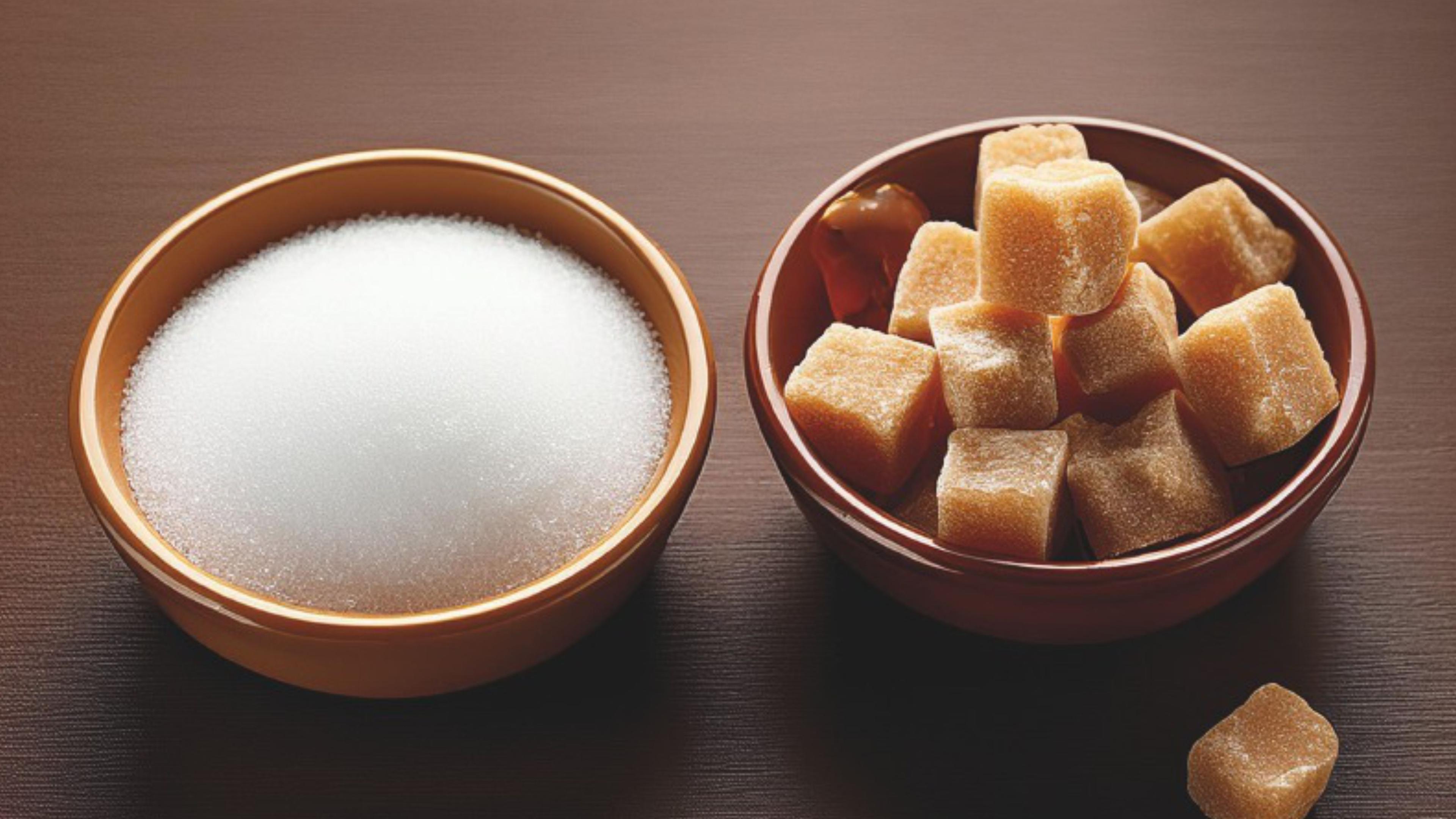
Table of Content
When it comes to sweetening your food, the choice between jaggery powder and sugar can make a significant difference for your health. Jaggery is often hailed as a healthier alternative, boasting benefits like improved digestion and a richer nutrient profile. But how does it truly measure up against sugar?
In this blog, we'll dive deep into the distinctive characteristics, benefits, and potential drawbacks of both sweeteners. Let’s start by uncovering the advantages of jaggery.
What is Jaggery Powder?
Jaggery, known as "gur" in Hindi, is a traditional non-centrifugal cane sugar consumed in South Asia and other parts of the world. It is made by boiling sugarcane juice or palm sap until it solidifies. Jaggery retains more nutrients than refined sugar because it is not spun during processing, which helps preserve its natural properties.
Benefits of Jaggery Powder:
Nutrient content: Jaggery contains trace amounts of iron, calcium, magnesium, and potassium, making it a slightly better source of minerals compared to refined sugar.
Slower digestion: Due to its complex structure, jaggery is digested more slowly than sugar, leading to a lower glycemic index. This means it causes a slower and steadier rise in blood sugar levels.
Antioxidants: It also contains antioxidants and phytochemicals that may offer some health benefits, although these are in relatively small amounts.
Drawbacks of Jaggery Powder:
Caloric density: Jaggery is calorie-dense and should be consumed in moderation, especially for individuals managing weight or blood sugar levels.
Hygiene concerns: The traditional production methods of jaggery may raise concerns about hygiene and purity, depending on the source and processing conditions.
What is Sugar?
Refined sugar, often derived from sugarcane or sugar beets, undergoes extensive processing to remove impurities and concentrate sucrose. This process results in pure sucrose crystals devoid of any significant nutrients or minerals.
Benefits of Sugar:
Quick energy source: Sugar is rapidly absorbed into the bloodstream, providing quick energy boosts when needed.
Available worldwide: It is easily accessible and widely used in various food products and beverages around the world.
Drawbacks of Sugar:
Empty calories: Refined sugar offers no nutritional value beyond its caloric content, contributing to empty calories in the diet.
Blood sugar spikes: It has a high glycemic index, leading to rapid spikes and crashes in blood sugar levels, which can be detrimental to health over time.
Which Sweetener is Right for Your Health?
Deciding between jaggery powder and sugar largely depends on your health objectives and dietary needs. Jaggery powder, with its richer mineral content and lower glycemic index, offers a healthier alternative for those looking to enhance their nutrient intake. However, if you're managing conditions like diabetes or focusing on weight control, it's best to consult with a healthcare professional to identify the most suitable sweetener and portion size for your unique requirements. Remember, moderation is crucial with any sweetener to ensure balanced health and well-being. In summary, while jaggery powder has notable nutritional benefits over refined sugar, both should be used sparingly to promote a healthy lifestyle. By understanding their differences and practicing mindful consumption, you can make an informed choice for your health. Explore our range of high-quality jaggery powder at the www.mill-it.co store today!

Published by Sanjna Sharma
Product Planning & Marketing
Senior R&D Executive For Years spent studying ingredients, formulations, nutrition, and food processing taught her that the biggest challenge in the industry wasn't just creating healthier products—it was making people understand what they were actually eating. With over 2.5 years of experience in food technology, product innovation, and brand development, Sanjna brings together scientific expertise and creative thinking to build food that's both meaningful and trustworthy. A university Gold Medalist in Food Technology, she has built her career at the intersection of food science, nutrition, and consumer communication. Her expertise spans clean-label product development, functional foods, ingredient research, regulatory understanding, and brand storytelling—bridging the gap between rigorous science and the everyday choices consumers make.