Multigrain Atta Benefits for Modern Indian Families: Is It the Healthier Choice?

Published by Sanjna Sharma
Product Planning & Marketing
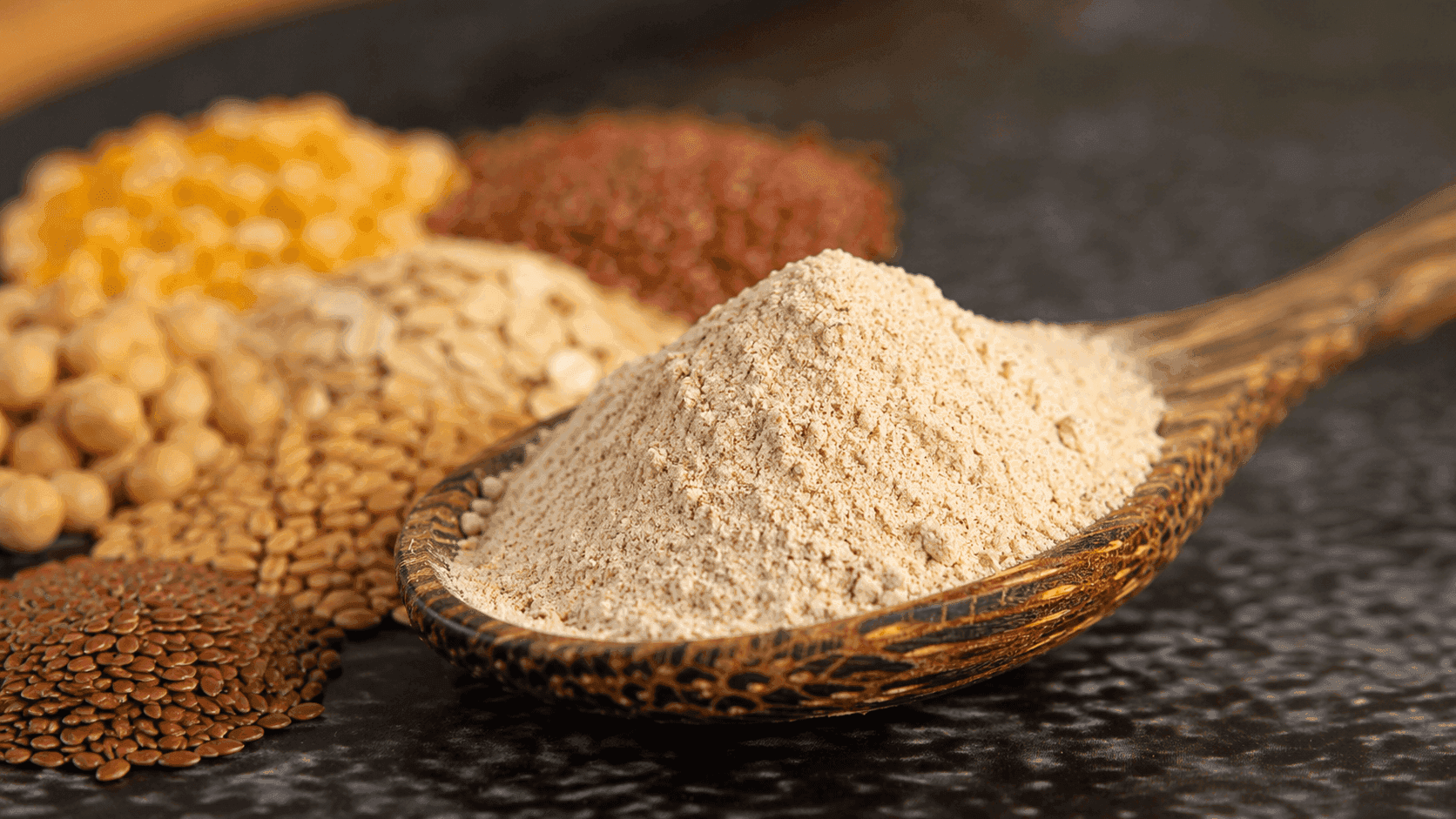
Table of Content
- Introduction
- What Is Multigrain Atta?
- Why Are Modern Indian Families Choosing Multigrain Atta?
- Nutritional Profile of Multigrain Atta
- Top Benefits of Multigrain Flours
- Multigrain Atta vs Regular Wheat Atta
- Which Grains Make Multigrain Atta Healthier?
- Is Multigrain Atta Good for Children?
- Is Multigrain Atta Suitable for Elderly Family Members?
- Is Multigrain Atta Good for Diabetes and Weight Management?
- How to Choose High-Quality Multigrain Atta?
- Are There Any Disadvantages of Multigrain Atta?
- Why Nutritionists Recommend Multigrain Foods?
- Conclusion
Introduction
Walk into any Indian kitchen today, and you will find something has changed. The kitchen spaces that were once occupied by a single sack of regular wheat flour are now sharing shelf space with multigrain blends — be it multigrain flours, breads, or rotis. People nowadays are more aware of the fact that a single ingredient cannot simply fulfill their nutritional or dietary needs.
What Is Multigrain Atta?
Multigrain atta is a unique approach to traditional flours, made from a potent combination of nutrient-dense grains that outperforms standard single-grain flours. It is a unique blend of whole-grain cereal and pulse proteins, complex carbohydrates, and soluble as well as insoluble fibers, seeds, and sometimes vegetables to create a comprehensive nutritional profile. This diversity of grains improves the flavor, texture, and nutritional density of everyday staples such as roti, paratha, or bread.
The scientific reason for multigrain atta stems from the notion of nutritional complementarity, in which different grains and legumes provide diverse amino acid profiles, vitamins, minerals, and other bioactive components. For example, while wheat provides the foundational structure and gluten content required for bread-making, additions such as ragi add calcium and iron, and legumes such as moong dal and chickpeas improve protein quality by providing essential amino acids that may be limited in cereals alone.
Why Are Modern Indian Families Choosing Multigrain Atta?
A stronger consumer awareness and a few converging trends have explained the shift:
- Rising Lifestyle Diseases: The risk of rising non-communicable diseases like type 2 diabetes and some types of cancers has increased sharply, pushing people to look for more whole grain options than refined, heavy carb staples and regular flours.
- Consumer Awareness: Homemakers and the primary grocery decision makers are more informed now, and are more likely to check the nutritional content of the packet before buying any food product. Multigrain flours, being completely rich in almost all essential nutrients, are more likely to be picked up than regular flours.
- Convenience: Pulses are high in protein and help in stabilizing blood sugar levels, millets are sources of high protein are an important carbohydrate source and rich in many essential vitamins and minerals. Even though people incorporate both pulses and cereals in their diets, the longer cooking time is a bit of an inconvenience for most working families, and cooking five different rotis from five different flours isn't realistic. A single multigrain atta bridges that gap — one dough, multiple grains, and multiple health benefits.
- Family-Wide Appeal: Unlike a specialized diet flour, if a multigrain blend is well formulated, keeping in focus all essential nutrients, it can serve people of all age groups. Be it children for their growing needs, adults for their protein intakes, or the elderly for geriatric health, a functional multigrain serves the purpose.
Nutritional Profile of Multigrain Atta
| Parameter | Sharbati Multigrain | Sugarshield Multigrain | Low Gluten Multigrain | Kids Multigrain (Beetroot) | Kids Multigrain (Spinach) |
|---|---|---|---|---|---|
| Energy (Kcal) | 386 | 370.21 | 361.49 | 370.97 | 367.81 |
| Protein (g) | 14 | 15.63 | 10.61 | 12.36 | 13.94 |
| Carbohydrates (g) | 67 | 67.34 | 75.42 | 72.44 | 70.61 |
| Total Sugar (g) | 5 | 5.83 | 1.91 | 2.93 | 2.37 |
| Dietary Fiber (g) | 13 | 12.46 | 9.83 | 9.83 | 9.51 |
| Total Fat (g) | 7 | 4.13 | 1.93 | 3.53 | 3.29 |
| Calcium (mg) | 63.77 | 67.26 | 118.49 | 108.42 | 84.67 |
| Sodium (mg) | – | – | 22.36 | 56.73 | 40.32 |
Source: Data from NABL accredited lab AGSS India
The nutritional profile of various multigrain flours of Mill-it indicates that each flour blend is nutritionally engineered to fulfill distinct dietary requirements. Multigrain and Sugarshield versions are great for balanced nutrition and digestive health; Low Gluten Atta is appropriate for gluten-sensitive persons; and Kids Atta variants provide tailored nutrition for developing children, particularly with increased calcium and vegetable enrichment. All mixes offer higher nutritional diversity and health benefits as compared to single-grain flours. Even though the mixes are specifically engineered for different age groups, the nutritional data show that a person of any age group can prefer any multigrain blend for their regular dietary needs.
Top Benefits of Multigrain Flours
- High Fiber intake: The millets, pulses, and whole grains in multigrain blends are high in fiber, which helps in the gradual and slow digestion of food, thereby improving gut health, reducing cardiovascular disease, and lowering body weight.
- Better Satiety: The combination of fiber and protein keeps the stomach full for longer, thus helping in portion control.
- More Balanced Micronutrients: The cereals and millets in multigrain are a rich source of many essential micronutrients, helping with antioxidative, anti-ulcerative, hypoglycemic, and anti-inflammatory properties.
- Lower Glycemic Impact: Multigrains have a glycemic index less than 35 and a glycemic load less than 20, resulting in lower sugar spikes and stable blood sugar levels.
- Higher Soluble Fiber: Oats and barley in a multigrain blend delay gastric emptying and inhibit alpha-amylase, curbing sudden spikes.
- Improved Protein Quality: Cereals are deficient in lysine, while pulses are deficient in methionine and cysteine, and millets like pearl millet and finger millet are high in lysine content. By combining these three grains in a well-formulated combination, they offer a more complete amino acid profile.
- Supports Heart Health: Whole grains, legumes, and seeds contain heart-healthy elements like fiber, antioxidants, and good fats that improve cardiovascular function.
Multigrain Atta vs Regular Wheat Atta
| Parameter | Regular Wheat | Multigrain Atta |
|---|---|---|
| Grain Source | Wheat only | Wheat, Millets, Legumes, Seeds, Pulses |
| Fiber Content | Moderate | Higher due to varied grain composition |
| Protein Quality | Good, but lacks some essential amino acids | Better, a complete amino acid profile |
| Micronutrient Diversity | Limited to Wheat Profile | Broader with several micronutrients |
| Glycemic Index | Generally > 55 | Less than 55 |
| Taste & Texture | Soft | Slightly denser and nuttier flavor |
Consuming regular whole wheat atta isn't unhealthy, but multigrain atta offers a more balanced nutritional upgrade for families actively improving fiber and micronutrient intake without overhauling their diet.
Which Grains Make Multigrain Atta Healthier?
The varied grains in the multigrain blend provide different functional benefits in the body, and not all grains contribute equally. Commonly used grains in a multigrain blend are:
- Jowar (Sorghum): Naturally gluten-free, rich in many antioxidants and fiber, and helps in digestion.
- Ragi (Finger Millet): Rich in calcium, it helps in bone health and is often recommended for growing children and the elderly.
- Oats: Contain beta-glucan, a soluble fiber that helps in cholesterol management, and is also a rich source of high-quality protein and unsaturated fats, polyphenolic compounds, and micronutrients.
- Chana (Bengal Gram): A good source of plant protein, adds protein as well as fiber and has a naturally low glycemic index.
- Moong (Mung Bean): A substantive source of fiber (24-28%). In comparison to other pulses, the starch of mung bean is easier to digest and induces less flatulence. Additionally, it has also been used as an iron-rich whole food source.
The amount and ratio matter as much as the ingredients list. A multigrain blend with 75% or more wheat composition and 25% other grains will behave nutritionally similarly to plain wheat atta than one with a genuinely balanced composition of a 60:40 or 50:50 ratio.
Is Multigrain Atta Good for Children?
Protein-energy malnutrition is one of the most serious health issues among children in developing countries. In India, as per 2010 data, approximately 94% of children in the 6-9 age group are suffering from malnutrition. Multigrain flours with balanced protein-fiber ratios help in improving the nutrient requirements of children. Grains like ragi and bajra, which are good sources of calcium and iron, support a growing child’s development. However, a few points are worth mentioning while introducing multigrain flours in a child’s diet:
- Multigrain flour should be gradually introduced rather than fed or switched abruptly, as the increase in fiber might cause mild digestive discomfort in children.
- Some children are sensitive to grain-specific allergies; a proper recommendation should be obtained from a doctor before introducing multigrains into a child’s diet.
- Toddlers with small appetites need energy-dense foods along with high-fiber ones, so multigrains should not be a replacement for overall dietary balance.
Is Multigrain Atta Suitable for Elderly Family Members?
Multigrain flours are a healthy choice for elderly people, largely because of their high fiber content and mineral density, supporting digestive regularity — a common concern with age. The high nutritional density because of varied grains also helps in addressing many geriatric issues like bone health and low intakes of iron and magnesium. However, some elderly individuals with sensitive digestion may need a gradual transition to a high-fiber diet.
Is Multigrain Atta Good for Diabetes and Weight Management?
Chapattis made from multigrain flours have a relatively lower glycemic index and glycemic load compared to refined wheat flour or regular wheat flour. The reason is their high fiber content, and they are enriched with several legumes and seeds, which pushes the GI down to the lower range of less than 55. For example, the glycemic index of Mill-it’s Sugarshield Multigrain Atta is 27.35, compared to 74.8 for refined wheat, and that of Sharbati Multigrain Atta is 29, which is quite low when compared with single-grain flours.
Fortified flours, which are formulated specially for diabetics with a nutritious blend of Khapli wheat and other useful ingredients (like fenugreek, chickpeas, barley, flaxseed, sorghum, oats, maize, and mung beans), result in a lower glycemic index and glycemic load, thereby maintaining balanced sugar levels.
How to Choose High-Quality Multigrain Atta?
The practical checklist to see whether your multigrain flour is healthy:
- Check the grain ratio: Check the percentage of wheat flour in the pack. Look for the percentage of each grain, not just a list of grain names.
- Scan the Fiber & Protein Values per 100 g: Compare the label across brands and check the quality of the protein as well.
- Check the ingredient list: Check for an adulterant, refined wheat flour, or any additives or fillers if added to the blend.
- Look for processing method: Flours that are cold-ground and milled at low rpm usually retain more nutrients than those milled using high-heat roller milling.
- Consider your family's needs: Check for allergens or sensitivities to grain by checking the ingredient list, and choose the one that suits your dietary preferences.
Are There Any Disadvantages of Multigrain Atta?
Even though multigrain flours are a rich source of many essential nutrients, they aren't without a few trade-offs:
- Adjustment period: A sudden jump in fiber intake can cause bloating or digestive discomfort, especially for people with a history of lower-fiber diets.
- Texture and taste differences: Rotis from multigrain flours are usually denser and less soft when compared to regular wheat flour, and they have a slightly nuttier flavor, which not everyone adjusts to immediately.
Why Nutritionists Recommend Multigrain Foods?
Multigrain in cereals boosts protein and fiber content, while blending it with different legumes and millets offers different. Combining all these increases the nutritional profile of the blend. Eating a variety of grains rather than relying on one is one of the more consistently supported principles of nutrition science.
Conclusion
Multigrain isn't a miracle food, but it is a more practical way of improving fiber intake, micronutrient diversity, and protein quality. The optimized formulation serves all the functional purposes that a standalone regular wheat flour cannot. The key is choosing a well-formulated blend with a transparent grain ratio, rather than assuming the word “multigrain” alone is enough. Whether you are cooking for growing children, an elderly individual, or simply looking to make your family’s diet more balanced, a thoughtfully chosen multigrain can be an easy, sustainable change — one roti at a time.
Frequently Asked Questions
What are the benefits of multigrain atta?
›
Multigrain contains many essential nutrients because of its varied grain composition, helping with weight management, better satiety, improved gut health, and better cardiovascular health.
Is multigrain atta healthier than regular wheat atta?
›
Multigrain flours, because of their high fiber content and complex carbohydrate structure, result in lower glucose absorption, its micronutrient density usually surpass that of a single grain whole wheat flour.
Which grains are commonly used in multigrain atta?
›
The grains which are commonly used in multigrain flours are millets like Jowar (Sorghum), Ragi (Finger Millet), Kangani (Foxtail Millet), Bajra (Pearl Millet), pulses like chana (Chickpeas), Moong (Mung Bean), and other grains and seeds like oats, flaxseed etc.
Is multigrain atta good for weight loss?
›
Yes, the combination of fiber and protein from different grains keeps the stomach full for longer, thus helping in portion control and weight management.
Does multigrain atta contain more protein?
›
The pulses, millets, and cereals in the multigrain blend are a rich source of protein, and the quality of the protein is also better since the deficient amino acid profile in one grain is compensated by the others.

Published by Sanjna Sharma
Product Planning & Marketing
Senior R&D Executive For Years spent studying ingredients, formulations, nutrition, and food processing taught her that the biggest challenge in the industry wasn't just creating healthier products—it was making people understand what they were actually eating. With over 2.5 years of experience in food technology, product innovation, and brand development, Sanjna brings together scientific expertise and creative thinking to build food that's both meaningful and trustworthy. A university Gold Medalist in Food Technology, she has built her career at the intersection of food science, nutrition, and consumer communication. Her expertise spans clean-label product development, functional foods, ingredient research, regulatory understanding, and brand storytelling—bridging the gap between rigorous science and the everyday choices consumers make.