11 Health Benefits of Black Mustard Oil in Cooking

Published by Sanjna Sharma
Product Planning & Marketing

Table of Content
- 11 Health Benefits of Using Black Mustard Oil in Cooking
- What Makes Cold Pressed Mustard Oil Different and Healthy?
- Cold Pressed Mustard Oil Nutrition Facts
- 11 Health Benefits of Using Black Mustard Oil in Cooking
- What's the Difference Between Black and [Yellow Mustard Oil](https://mill-it.co/product/yellow-mustard-oil)?
- How Does It Work for Medical Conditions?
- Side Effects
- Precautions
- Dose
- FAQ
- Is Kachi Ghani and Cold Pressed Mustard Oil the Same?
- How Do I Identify If Mustard Oil Is of Good Quality?
- Can We Apply Mustard Oil to Our Faces?
- Is Mustard Oil Good for Daily Use?
- Which Colour of Mustard Oil Is Best?
- Who Should Not Eat Mustard Oil?
- Conclusion
- References
11 Health Benefits of Using Black Mustard Oil in Cooking
Black mustard oil, particularly when cold-pressed, is a staple in most Indian households. Beyond its strong flavor, this age-old oil has a multitude of health benefits that make it an intelligent choice for day-to-day cooking.
What Makes Cold Pressed Mustard Oil Different and Healthy?
Confused what makes cold pressed mustard oil different and healthy?
It’s in the name itself, and you guessed it right — Cold pressing!
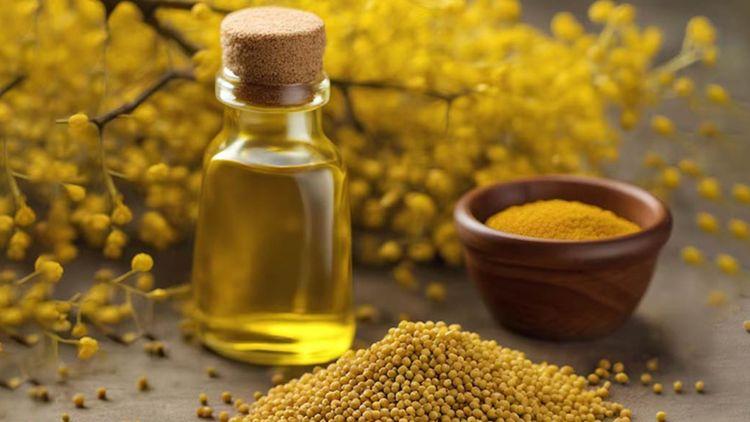
It is a technique of extraction. It is made by mechanically pressing black mustard seeds at low temperatures, typically below 40°C. This method preserves the oil's natural nutrients, antioxidants, and flavor, unlike refined oils that undergo high-heat processing and chemical treatment.1
Cold Pressed Mustard Oil Nutrition Facts
| Nutrient | Amount (per 100g) |
|---|---|
| Energy | ~884 kcal |
| Total Fat | 100 g |
| Saturated Fat | 11–12 g |
| Monounsaturated Fat | 60–62 g |
| Polyunsaturated Fat | 21–23 g |
| Omega-3 (ALA) | ~6 g |
| Omega-6 | ~15 g |
| Vitamin E | 5–10 mg |
| Cholesterol | 0 mg |
Beyond the numbers, let’s try to understand what it means for your health.
11 Health Benefits of Using Black Mustard Oil in Cooking
Heart Health:
Rich in monounsaturated and polyunsaturated fats, it reduces bad cholesterol (LDL) and increases good cholesterol (HDL), reducing heart disease risk.[^2] [^3] 1Anti-Inflammatory Effects:
Rich in omega-3 fatty acids and alpha-linolenic acid, these reduce swelling and ease joint pain.[^2] [^3]Antibacterial & Antifungal:
Glucosinolate in mustard oil inhibits harmful bacteria and fungi, protecting against infection.[^3][^1]Boosts Immunity:
Antioxidants such as selenium and magnesium help fortify immunity and fight free radicals.3Improves Digestion:
Stimulates digestive juices and bile to help improve digestion and avoid constipation.[^3][^4]Promotes Skin Health:
Vitamin E and essential fatty acids moisturize skin, minimize pigmentation, and enhance texture.[^2][^3]Supports Hair Growth:
Vitamins A and E nourish the scalp, diminish dandruff, and fortify hair follicles.[^2][^3]Pain Relief:
Traditionally used for massaging sore muscles and joints due to its analgesic properties.[^2][^4]Respiratory Relief:
The pungent aroma acts as a decongestant, helping with colds and nasal congestion.2High Smoke Point:
Suitable for sautéing and frying, as it will not degrade into toxic compounds when exposed to high temperatures.2Potential Anti-Cancer Effects:
Compounds like allyl isothiocyanate may help prevent the growth of certain cancer cells, though more research is needed.3
What's the Difference Between Black and Yellow Mustard Oil?
| Feature | Black Mustard Oil | Yellow Mustard Oil |
|---|---|---|
| Source | Black mustard seeds | Yellow/white mustard seeds |
| Flavor | More intense and pungent | Milder, less pungent |
| Color | Dark yellow to brown | Pale yellow |
| Common Use | Indian, Bangladeshi cuisines | Western cuisines, pickling |
| Oil Content | Slightly higher | Slightly lower |
How Does It Work for Medical Conditions?
Arthritis & Joint Pain:
Its anti-inflammatory and analgesic effects can relieve pain and swelling when used in massage.[^2][^3]Heart Disease:
The healthy fat profile helps manage cholesterol and blood pressure.[^3][^1]Respiratory Ailments:
Used for relief from colds and coughs due to its warming and decongestant properties.2Skin Conditions:
Antibacterial and moisturizing, it can help with acne, dryness, and minor irritations.2
Side Effects
⚠️ Caution: Overconsumption may cause digestive upset or skin irritation.
- Contains erucic acid, which in very high amounts may affect heart health, though typical culinary use is considered safe.[^5][^6]
- May cause allergic reactions in sensitive individuals.[^5][^6]
Precautions
- Use in moderation; excessive intake is not recommended.[^5][^2]
- Not suitable for infants or people with mustard allergies.
- Always do a patch test before applying to skin.
Dose
- For cooking: 1–2 tablespoons per day is typical in a balanced diet.
- For topical use: A few drops, diluted if necessary, for massage or skin application.
FAQ
Is Kachi Ghani and Cold Pressed Mustard Oil the Same?
Kachi Ghani and Cold pressed oils in most of the contexts are same however they differ in one aspect. They both are devoid of heat processing and preserves the nutritional benefits however in “Kachi Ghani” it uses a traditional wooden press called as “Ghani” and in cold pressing we use advance mechanic presses.
How Do I Identify If Mustard Oil Is of Good Quality?
Look for a strong, pungent aroma, clear golden-yellow color, and check for FSSAI or AGMARK certification. Pure oil will not feel sticky or leave residue.
Can We Apply Mustard Oil to Our Faces?
Yes, but always do a patch test first. It can hydrate and brighten skin but may irritate sensitive skin types.2
Is Mustard Oil Good for Daily Use?
Yes, when used in moderation, it is safe and beneficial for most people.[^2][^3]
Which Colour of Mustard Oil Is Best?
Cold pressed black mustard oil, usually dark yellow to brown, is considered best for both flavor and nutrition.
Who Should Not Eat Mustard Oil?
Infants, pregnant women, and individuals with mustard allergies or certain heart conditions should avoid mustard oil or consult a doctor before use.[^5][^6]
Conclusion
Black mustard oil, especially when cold pressed, is a powerhouse of nutrition and health benefits. Use it wisely in your kitchen to enjoy its traditional flavor and holistic wellness advantages!
References
Frequently Asked Questions
Q1
›
A1

Published by Sanjna Sharma
Product Planning & Marketing
Senior R&D Executive For Years spent studying ingredients, formulations, nutrition, and food processing taught her that the biggest challenge in the industry wasn't just creating healthier products—it was making people understand what they were actually eating. With over 2.5 years of experience in food technology, product innovation, and brand development, Sanjna brings together scientific expertise and creative thinking to build food that's both meaningful and trustworthy. A university Gold Medalist in Food Technology, she has built her career at the intersection of food science, nutrition, and consumer communication. Her expertise spans clean-label product development, functional foods, ingredient research, regulatory understanding, and brand storytelling—bridging the gap between rigorous science and the everyday choices consumers make.