Khapli Wheat Benefits: Nutrition, Uses & Health Benefits

Published by Sanjna Sharma
Product Planning & Marketing
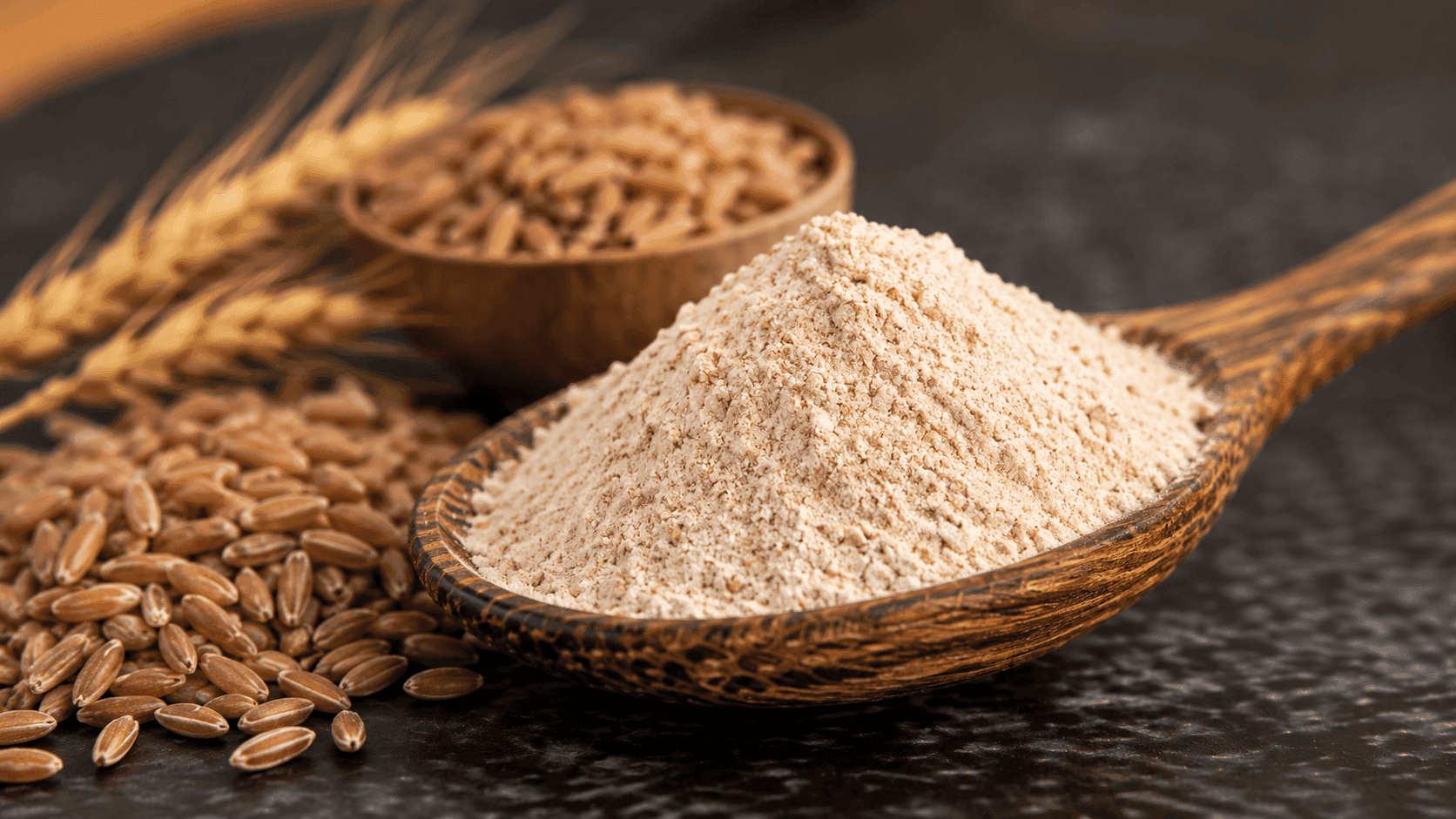
Table of Content
- Introduction
- What is Khapli Wheat (Emmer Wheat)?
- Khapli Wheat Benefits: Why This Ancient Grain Is Making a Healthy Comeback
- Nutritional Profile: Khapli Wheat vs. Other Grains
- Top Health Benefits of Khapli Wheat
- Khapli Wheat vs Regular Wheat
- Expert Opinion: Why Nutritionists Are Recommending Ancient Grains
- Are There Any Limitations of Khapli Wheat?
- Conclusion: The Reasons Khapli Atta Should Be in Your Kitchen
Introduction
In the everyday quest for healthier and more nutritious alternatives, most people in urban India are moving backwards and rediscovering khapli wheat, an ancient treasure. Khapli Wheat scientifically known as Triticum asestivum or Emmer wheat, was once a dietary staple, lost in modern hybridization, and now again finding its roots among health-conscious consumers. Khapli wheat priced at nearly five times the price of regualr wheat, signifies not only a staple choice but a conscious shift towards healthier and sustainable nutrition.
What is Khapli Wheat (Emmer Wheat)?
Khapli wheat one of the ancient types of wheat, has roots in the pre-pottery Neolithic era. Khapli wheat's durability and nutritional fullness are demonstrated by the fact that it has not changed much in comparison to contemporary hybridized wheat cultivars. The grain's rough texture and characteristic dark reddish-brown color make it necessary to treat the flours using conventional stone-grinding techniques.
Khapli wheat has not been much impacted by hybridization; the grain has larger concentrations of vital nutrients—fiber, minerals, and vitamins—than contemporary wheat cultivars.
Khapli Wheat Benefits: Why This Ancient Grain Is Making a Healthy Comeback
The comeback of khapli wheat isn't happening in isolation, but rather is a part of a much larger global shift towards ancient and heritage grains because of their several health benefits. Several forces are driving this:
- Rising lifestyle diseases: With increasing risks of chronic and lifestyle diseases, the preference for grains with more dietary fiber and low GI has increased. The bioactive profile of khapli wheat, digestibility, and nutraceutical composition help in combating several lifestyles diseases.
- Distrust of ultra-processed, high-yield modern wheat: Consumers are seeking grains with zero hybridization or non-GMO varieties that are closer to their original genetic form, believing these retain more of their natural nutrient density.
Nutritional Profile: Khapli Wheat vs. Other Grains
When compared to modern common wheat, khapli wheat consistently point to a few defining characteristics:
- Higher dietary fiber which contributes to slower digestion and better satiety.
- High Protein content which contributes to distinct amino acid profile and gluten protein profile.
- Richer mineral content particularly magnesium, zinc and iron.
- Higher level of bioactive compounds like polyphenols and carotenoids.
- Slower-digesting starch, including a higher portion of resistant starch.
Top Health Benefits of Khapli Wheat
Khapli wheat is one of the most important grains, and it possesses many positive health attributes. The proximate composition data revealed that nutrients like protein, carbohydrates, and minerals are high in emmer wheat and are low in fats, making it a healthier choice for consumers:
Lower Gluten Content: Khapli wheat contains significantly less gluten than modern wheat varieties, making it more suitable for individuals with mild gluten sensitivities, though it is not recommended for those with celiac disease.
Superior Digestibility: The lower gluten content and higher fiber composition promote better digestive health and gut function, reducing the likelihood of digestive discomfort.
Enhanced Nutritional Density: With higher protein, fiber, and essential mineral content, khapli wheat provides more nutrition per serving compared to regular wheat.
Low Glycemic Index: Khapli wheat releases sugar into the bloodstream more slowly than refined wheat, helping to manage blood sugar levels and supporting diabetes management.
Rich in Antioxidants: The grain contains higher levels of antioxidants, including β-carotene, which support immune function and cellular health.
- Nutraceutical properties: Khapli wheat is known to have antioxidant, antimicrobial, and immunomodulatory properties because of its varied polyphenols and carotenoids content ranging from 508 to 2355 μg/g and 1.63 to 4.90 μg/g flour, respectively.
Ancient Grain Authenticity: As an unmodified ancient variety, khapli wheat retains its original genetic structure and nutritional profile that has sustained populations for millennia.
Sustainable Agriculture: Khapli wheat thrives in organic farming systems and requires fewer inputs than modern wheat varieties, supporting environmentally responsible agriculture.
Distinctive Flavor Profile: The grain offers a unique nutty flavor and coarser texture that enhances the taste of traditional foods like rotis, dosas, and porridge.
Khapli Wheat vs Regular Wheat
Comparative analysis of 100g flour reveals:
| Nutrient | Khapli Wheat | Regular Wheat |
|---|---|---|
| Protein (g) | 12–14.4 | 10–11.8 |
| Dietary Fiber (g) | 11.3 | 9 |
| Glycemic Index | 38 | 45 |
When compared with modern wheat, bajra(pearl millet), maize, and other cereals the nutritional advantages of khapli wheat become immediately apparent.
| Nutrient Parameter | Khapli Wheat (Emmer) | Bajra (Pearl Millet) | Modern Whole Wheat | Maize (Corn) |
|---|---|---|---|---|
| Fiber Content | Very High (13-14g) | High (11-12g) | High(12-13g) | Moderate |
| Protein (per 100g) | 12-15g | High | ~13g | 8-10g |
| Glycemic Index (GI) | Low (39-55) | Low | Moderate (70-75) | Moderate |
| Key Minerals | Iron, Magnesium, B vitamins | Iron, Calcium, Magnesium | Iron, Magnesium, Zinc, B vitamins | Magnesium |
| Gluten Content | Low, easier to digest | Gluten-free | Contains gluten | Gluten-free |
| Digestibility | Easier despite containing gluten | Excellent | Standard | Good |
Is Khapli Wheat Good for Diabetes?
The most advantageous feature of khapli for the expanding population managing diabetes and metabolic syndrome is its low glycemic index (39–55). Low GI foods prevent insulin resistance by causing blood glucose levels to rise gradually rather than sharply. Khapli atta can be a game-changing intervention without disrupting diet for people following diabetes management protocols.
Is Khapli Wheat Good for Weight Loss?
The combination of high fiber, high protein, and low glycemic index creates an optimal formula for weight control. The fiber promotes satiety—keeping you full longer—while the low GI prevents blood sugar crashes that trigger cravings and overeating. Studies show that individuals consuming high-fiber, low-GI grains naturally consume fewer calories without deliberate restriction.
Is Khapli Wheat Easier to Digest?
Yes, khapli wheat is generally easier to digest than regular wheat due to its lower gluten content and higher fiber content. The reduced gluten levels make it more suitable for individuals with mild gluten sensitivities, though it is not appropriate for those with celiac disease. The high dietary fiber content (10g per 100g) promotes healthy digestion by supporting gut function and regular bowel movements. The ancient grain structure of khapli wheat has remained unchanged for thousands of years, making it more compatible with human digestive systems compared to heavily modified modern wheat varieties.
Who Should Include Khapli Wheat in Their Diet?
- People managing blood sugar or working to reducet the risk of diabetes.
- Those who are looking to improve satiety and manage weight without cutting out cereal based food or wheat.
- Individuals who feel bloated or sluggish after regular wheat but do not have celiac disease.
- Health-conscious individuals who want more nutrient- and mineral-rich staples.
How to Use Khapli Wheat in Everyday Meals?
Khapli wheat can be used in the same way as regular wheat with a slightly denser and nuttier result. It can be used to make Rotis and phulkas, Breads & Rusks, Daliya or Multigrain Blends.
How to Choose Authentic Khapli Wheat Atta?
The following things should be checked before buying a khapli atta:
- The ingredient list needs to be verified to determine whether the flour is 100% khapli wheat or a blend.
- The processing method is important as the flour from modern roller mills generally uses heat, and most of the nutrients are lost in the process. Look for a whole-grain, stone-ground product that retains more fiber and minerals.
- Check for the color and the texture. The authentic khapli wheat is darker in color and is coarser compared to the regular wheat.
Expert Opinion: Why Nutritionists Are Recommending Ancient Grains
Across published reviews, nutrition scientists tend to converge on a consistent message: ancient wheat species like khapli are not being recommended as a cure for any condition, but as a nutritionally denser substitute for the refined, high-glycaemic staples that dominate modern diets. Reviewers point specifically to the combination of lower glycaemic impact, higher fibre and mineral density, and favourable lipid effects in diabetic populations as the strongest, most evidence-backed reasons for the shift — with an explicit caution that gluten content, allergy risk, and cultivar variability mean khapli wheat should be adopted as part of a varied diet, not marketed as a universal solution.
Are There Any Limitations of Khapli Wheat?
Even though the benefits of khapli wheat are immense, people with extreme gluten sensitivities should avoid consuming khapli wheat, as it does contain gluten. Another limitation worth noting is that the cultivation is khapli wheat is still very limited, which makes this ancient variety a bit of an expensive option and less available for the lower-income groups. The texture and hardness of the khapli wheat makesvalue-added difficult to make the value ad products like breads, therby it needs to be blended with other wheat vaireties for the desired and favourable taste and softness.
Conclusion: The Reasons Khapli Atta Should Be in Your Kitchen
Khapli atta is much more than just a high-end substitute for flour. It represents the understanding that, long before science confirmed their knowledge, our ancestors had an intuitive understanding of nutrition. Khapli wheat, an ancient grain that flourished for millennia prior to industrialization, overcame marginalization to become precisely what contemporary consumers need: a functional food that actually improves health metrics without necessitating dietary compromise or supplementation.
Genuine scarcity, labor-intensive processing, and transparent sourcing are reflected in the premium pricing, not marketing gibberish. Khapli atta is an investment in long-term health ROI, not a luxury, for people with diabetes, seeking better digestive health, or just not willing to sacrifice nutritional integrity.

Published by Sanjna Sharma
Product Planning & Marketing
Senior R&D Executive For Years spent studying ingredients, formulations, nutrition, and food processing taught her that the biggest challenge in the industry wasn't just creating healthier products—it was making people understand what they were actually eating. With over 2.5 years of experience in food technology, product innovation, and brand development, Sanjna brings together scientific expertise and creative thinking to build food that's both meaningful and trustworthy. A university Gold Medalist in Food Technology, she has built her career at the intersection of food science, nutrition, and consumer communication. Her expertise spans clean-label product development, functional foods, ingredient research, regulatory understanding, and brand storytelling—bridging the gap between rigorous science and the everyday choices consumers make.