From farm to your table: the journey of Basmati rice

Published by Sanjna Sharma
Product Planning & Marketing
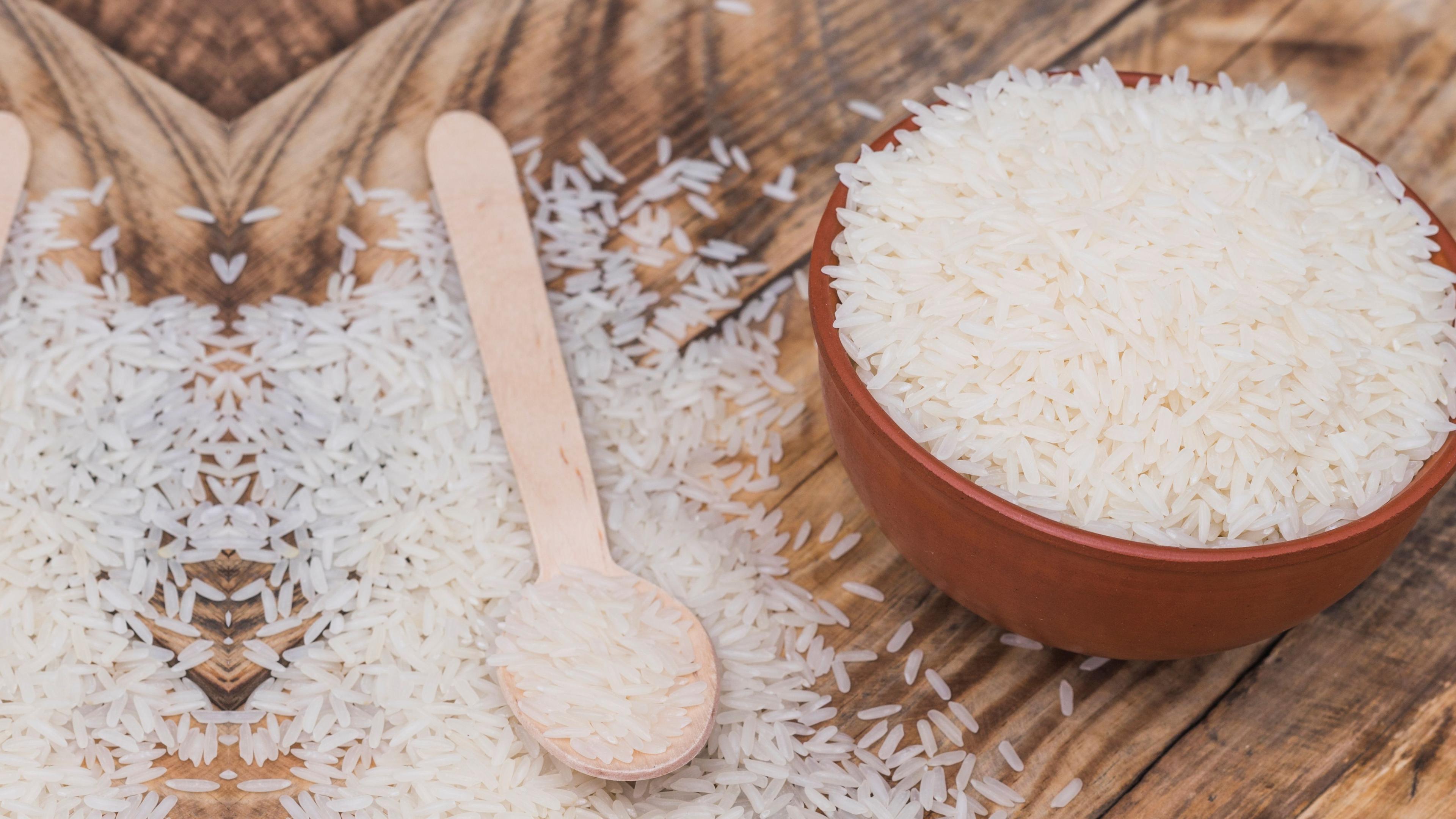
Table of Content
Can you even call yourself an Indian if you don’t love Biryani? It’s a dish that holds a special place in every heart and home, with Basmati rice being its soul. In this blog, we'll take you through the journey of Basmati rice—the aromatic gem that elevates not just Biryani, but also other flavourful dishes like pulao.
Celebrated in kitchens around the world, Basmati rice is renowned for its long grains and amazing fragrance. But have you ever wondered about the journey this extraordinary grain undertakes to reach your table? Let's uncover the story of Basmati rice as it travels from lush green fields to your plate, bringing with it a rich history and unparalleled taste.
Cultivation Process:
1. Selection of Seeds
The journey of producing Basmati rice starts with the meticulous selection of premium seeds. Farmers pick seeds that are renowned for having longer grains, better yields, and pleasant aromas. This first stage is very important since it sets the overall standard for the finished product.
2. Sowing the Seeds
Basmati rice is predominantly grown in the Indian subcontinent, where the climate is ideal for its cultivation. The seeds are typically sown during the late spring or early summer, and the young plants are carefully nurtured to ensure they receive the right amount of water and nutrients.
3. Growth and Maintenance
The growth phase of Basmati rice is meticulous and labor-intensive. Farmers monitor the fields closely, ensuring that the water levels are optimal and that the plants are protected from pests and diseases. Traditional methods, combined with modern agricultural practices, help in maintaining the integrity of the crop.
Harvesting
1. Timing of Harvest
The timing of the harvest is critical in preserving the unique qualities of Basmati rice. Farmers wait until the grains reach the perfect stage of maturity, usually marked by a golden hue in the rice stalks. Harvesting too early or too late can affect the texture and aroma of the rice.
2. Hand-Harvesting
In many regions, Basmati rice is still harvested by hand. This traditional method ensures that the grains are handled with care, preventing any damage. The harvested rice is then left to dry in the sun, which further enhances its flavor and aroma.
Processing
1. Threshing and Milling
Once harvested, the rice undergoes threshing to separate the grains from the stalks. Basmati rice often goes through a gentle milling process to preserve its delicate structure and nutritional value.
2. Packaging
The rice is then packaged in hygienic conditions to maintain its freshness and prevent contamination. Vacuum sealing or airtight packaging is often used to extend the shelf life and preserve the aroma and flavor of the rice.
At Mill-it, we make sure that the packaging is 100% eco-friendly with a low carbon footprint. We focus on providing high-quality products which are free from any sort of chemicals or pesticides.
The journey of Basmati rice is an evidence of the commitment and skill of the growers and farmers who put in countless hours to deliver this wonderful grain to your plate. From planting and harvesting to processing and delivery, every stage is done with careful attention to detail, guaranteeing that you get the best Basmati rice possible.
You will therefore recognize the amazing process that Basmati rice has undergone to get to you the next time you enjoy a great dish made with it.

Published by Sanjna Sharma
Product Planning & Marketing
Senior R&D Executive For Years spent studying ingredients, formulations, nutrition, and food processing taught her that the biggest challenge in the industry wasn't just creating healthier products—it was making people understand what they were actually eating. With over 2.5 years of experience in food technology, product innovation, and brand development, Sanjna brings together scientific expertise and creative thinking to build food that's both meaningful and trustworthy. A university Gold Medalist in Food Technology, she has built her career at the intersection of food science, nutrition, and consumer communication. Her expertise spans clean-label product development, functional foods, ingredient research, regulatory understanding, and brand storytelling—bridging the gap between rigorous science and the everyday choices consumers make.